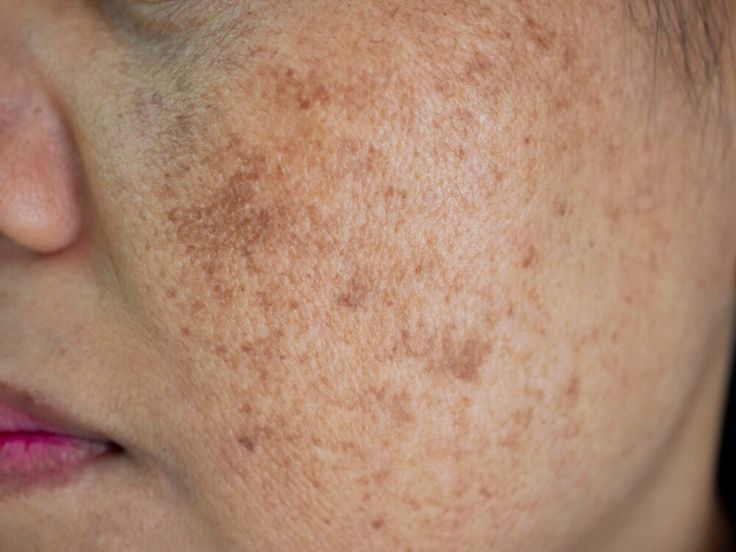
Skincare fans are excited about a new ingredient. It’s changing how we treat dark spots and uneven skin. Tranexamic acid is a strong solution for glowing, even skin. It was first used in medicine but now is in top skincare products.
This ingredient is special because it fights skin discoloration at its root. Doctors are now using it for dark spots, melasma, and uneven skin. Tranexamic acid is changing how we brighten our skin, from doctor’s offices to stores.
The move from medicine to skincare is interesting. It shows how science and beauty come together. People are seeing how this ingredient can change their skin’s look.
Key Takeaways
- Tranexamic acid is a versatile ingredient for skin brightening
- Effectively targets hyperpigmentation and uneven skin tone
- Bridges medical science and skincare technology
- Suitable for various skin types and concerns
- Offers a targeted approach to skin discoloration
Understanding Tranexamic Acid: A Breakthrough in Skincare Science
Tranexamic acid is a new and exciting ingredient in skincare. It changes how we deal with skin color and health. This compound mixes medical science with beauty, solving many skin problems.
The Chemical Structure and Properties
Tranexamic acid is a man-made substance with many uses. It’s made from amino acids and stops melanin production. Its special shape blocks the way to skin color changes.
- Synthetic tranexamic acid has a precise chemical makeup
- It’s made to fight skin color issues
- It’s designed to soak into the skin well and work well
Natural vs. Synthetic Forms
Tranexamic acid can come from nature or be made in a lab. The lab-made version is better for skincare. Synthetic tranexamic acid is pure and works well on all skin types.
“The precision of synthetic tranexamic acid represents a true skincare breakthrough in managing hyperpigmentation.” – Dermatological Research Institute
History of Medical Use to Skincare Innovation
Tranexamic acid was first used to stop bleeding. Then, skin doctors found it could also lighten skin. Now, it’s a key ingredient in skincare products.
| Medical Origin | Skincare Adaptation |
|---|---|
| Hemostatic agent | Pigmentation treatment |
| Surgical applications | Skin brightening serum |
The Science Behind Skin Pigmentation and Melanin Production
Skin pigmentation is a cool process that makes our skin color unique. It’s all about melanocytes, special cells that make melanin. This pigment gives our skin its color.
Melanocytes live in the skin’s bottom layer. They make melanin through a complex process. When they do, they spread pigment to nearby skin cells. This makes our skin color change.
“Melanin is nature’s own sunscreen, protecting our skin from harmful UV radiation” – Dermatology Research Institute
Factors Influencing Skin Pigmentation
- Sun exposure
- Hormonal changes
- Genetic predisposition
- Inflammation
- Aging process
Hyperpigmentation causes can be many. Excessive melanin production comes from different things, like:
- Prolonged sun damage
- Hormonal changes (like in pregnancy)
- After skin inflammation
- Some medicines
Knowing how skin pigmentation works helps us understand uneven skin tone. Melanin protects us, but too much can cause problems. Many people want to fix these issues.
How Tranexamic Acid Works to Combat Hyperpigmentation
Tranexamic acid is a strong solution for skin color issues. It works deep to fix uneven skin color.
This ingredient is special. It stops melanin in a new way, unlike old treatments.
Mechanism of Action
Tranexamic acid stops melanin from being made. It does this in a few ways:
- Blocks the tyrosinase enzyme
- Lessens inflammation in pigment cells
- Stops melanocytes and keratinocytes from talking
Interaction with Melanocytes
Tranexamic acid goes straight to melanocytes. It blocks melanin making.
| Mechanism | Effect on Melanocytes |
|---|---|
| Enzyme Inhibition | Reduces tyrosinase activity by 40-60% |
| Inflammatory Suppression | Decreases melanin production triggers |
| Cellular Communication | Disrupts pigment transfer signals |
Clinical Evidence and Research
Many studies show tranexamic acid works well for skin lightening. It helps a lot with:
- Lessening dark spots and hyperpigmentation
- Making skin tone even
- Reducing pigmentation after skin issues
“Tranexamic acid is a big step forward in managing skin color,” says research from top cosmetic science journals.
Benefits of Adding Tranexamic Acid to Your Skincare Routine
Tranexamic acid is a strong ingredient for many skin problems. It helps brighten and even out your skin tone. It’s great for dark spots and uneven skin.
Adding tranexamic acid to your skincare routine has many benefits:
- Dark spot reduction by stopping melanin production
- Good for melasma treatment
- Makes skin brighter
- Helps with inflammation-related pigmentation
“Tranexamic acid represents a breakthrough in addressing complex skin pigmentation challenges with minimal irritation.” – Dr. Elena Rodriguez, Dermatological Researcher
Tranexamic acid works by targeting melanocytes. These cells make pigment. It blocks melanin synthesis, helping your skin look more even and bright.
If you have hard-to-get rid of dark spots, tranexamic acid can help. Studies show it makes skin tone even in 8-12 weeks.
- Suitable for most skin types
- Works well with other skincare products
- Low risk of irritation
Tranexamic acid is good for sun damage, melasma, and more. It’s a science-backed way to get clearer, brighter skin.
Best Practices for Using Tranexamic Acid Products
Adding tranexamic acid to your skincare is important. It can make your skin better when used right. It helps with dark spots and more.
Optimal Concentration Levels
Finding the right amount of tranexamic acid is key. Doctors suggest different amounts for different skin types:
- Sensitive skin: 1-2% concentration
- Normal to combination skin: 3-5% concentration
- Mature or hyperpigmented skin: Up to 7% concentration
Application Methods and Timing
Knowing how to apply tranexamic acid is important. Here’s how to use it for the best results:
- Cleanse your skin well
- Put the tranexamic acid serum on clean, dry skin
- Wait 2-3 minutes for it to soak in
- Then, apply a moisturizer
Product Compatibility Guide
| Ingredient | Compatibility | Recommendation |
|---|---|---|
| Vitamin C | Good | Use in morning routine |
| Niacinamide | Excellent | Can be layered together |
| Retinol | Moderate | Use on alternate nights |
“Precision in skincare is key. Tranexamic acid is a powerful tool when applied strategically.” – Dr. Elena Rodriguez, Dermatology Researcher
Always test new products first. Start with a small amount of tranexamic acid. Gradually add more as your skin gets used to it. This helps avoid any irritation.
Potential Side Effects and Safety Considerations
Tranexamic acid is great for your skin, but knowing the side effects is key. It can cause skin sensitivity and irritation, mainly for those with sensitive skin. Dermatologists say to start slowly with this strong ingredient.

When adding tranexamic acid to your skincare, be careful. Different skin types react differently. Always do a patch test first.
- Conduct a patch test 24-48 hours before full application
- Start with low concentration products
- Monitor skin for signs of irritation
- Discontinue use if significant redness or discomfort occurs
“Always listen to your skin and introduce new ingredients gradually.” – Dermatology Experts
There are some things you should not use tranexamic acid for. If you have these conditions, talk to a doctor first:
| Skin Condition | Recommended Action |
|---|---|
| Sensitive Skin | Use with extreme caution |
| Active Acne | Consult dermatologist before use |
| Rosacea | Potential increased sensitivity |
| Eczema | Avoid without professional guidance |
Even though rare, some people might feel mild skin sensitivity or irritation. These feelings usually go away as your skin gets used to it.
Comparing Tranexamic Acid with Other Brightening Ingredients
Looking at skin brightening ingredients can be hard. Tranexamic acid stands out in treatments for hyperpigmentation and uneven skin tone.
Knowing how different ingredients work helps us choose better skincare. Each one tackles pigmentation in its own way.
Vitamin C and Niacinamide Synergies
Tranexamic acid works great with vitamin C and niacinamide. Together, they brighten the skin even more:
- Vitamin C fights off free radicals
- Niacinamide lowers inflammation
- Tranexamic acid stops melanin production
Kojic Acid and Alpha Arbutin Alternatives
Other brightening ingredients have their own perks:
| Ingredient | Primary Action | Effectiveness |
|---|---|---|
| Tranexamic Acid | Blocks melanin synthesis | High |
| Kojic Acid | Inhibits tyrosinase | Moderate |
| Alpha Arbutin | Reduces pigmentation | Moderate to High |
Tip: Talk to a dermatologist to find the best brightening plan for your skin.
“The key to effective skin brightening is understanding individual ingredient strengths and potential combinations.” – Dermatology Research Institute
Who Should Use Tranexamic Acid Products
Tranexamic acid is a key ingredient in skincare. It helps with many skin types and concerns. Knowing who it helps most is important for good results.
- Persistent hyperpigmentation
- Melasma
- Uneven skin tone
- Sun-induced dark spots
Those between 25-55 years old get the best results. Younger adults can use it to prevent problems. Older skin benefits from its ability to reduce dark spots.
“Tranexamic acid offers a sophisticated approach to addressing complex skin concerns across multiple age ranges” – Dermatology Research Institute
Tranexamic acid is best for:
- People with medium to dark skin tones
- Those with hormonal pigmentation changes
- Those with sensitive skin looking for gentle brightening
Not everyone should use tranexamic acid. If you have very sensitive skin or active inflammation, talk to a dermatologist first.
Conclusion
Tranexamic acid is a big step forward in fighting hyperpigmentation. It helps people with uneven skin tone. This makes skin look brighter and more radiant.
This ingredient does more than just regular skincare. It’s being studied for its ability to reduce dark spots and melasma. It’s a real solution for those looking to brighten their skin.
Tranexamic acid is at the forefront of skincare innovation. It’s a mix of medical research and beauty treatments. Dermatologists and experts love it for its gentle yet effective way of managing skin color.
Using tranexamic acid takes time and regular use. Knowing how it works and adding it to your skincare routine can make a big difference. It’s a key player in making skin clearer and more even-toned.
FAQ
What exactly is tranexamic acid in skincare?
Tranexamic acid is a man-made amino acid. It was first used to stop bleeding. Now, it’s used in skincare to fight hyperpigmentation and uneven skin tone. It stops melanin production and reduces inflammation, making skin brighter and more even.
How quickly can I see results from using tranexamic acid?
You might see better skin tone and fewer dark spots in 4-8 weeks. But, results can differ based on your skin, the product’s strength, and your skin issues.
Is tranexamic acid safe for all skin types?
Most people find tranexamic acid safe, even for sensitive skin. Always do a patch test first. If you have very sensitive skin or certain skin problems, talk to a dermatologist before using it.
Can I use tranexamic acid with other skincare ingredients?
Yes, tranexamic acid goes well with many products. It’s great with vitamin C, niacinamide, and hyaluronic acid. But, avoid using it with strong exfoliants or retinoids to avoid irritation.
What specific skin concerns does tranexamic acid address?
Tranexamic acid is best for hyperpigmentation like melasma, sun spots, and post-inflammatory hyperpigmentation. It helps make your skin tone more even and bright.
How does tranexamic acid differ from other skin-brightening ingredients?
Tranexamic acid works differently than other brighteners. It stops melanin production at its source. It does this without harsh chemicals, unlike some other products.
Are there any potential side effects of using tranexamic acid?
Some might get mild irritation, redness, or dryness when starting tranexamic acid. These effects are usually mild and go away as your skin gets used to it. Start with a small amount and increase it slowly.
Can tranexamic acid be used during pregnancy or while breastfeeding?
Topical tranexamic acid is usually safe. But, it’s best to talk to a healthcare professional before using it during pregnancy or breastfeeding to be sure.
 STELLINA
Leave a comment