Learning about the link between stress and your menstrual cycle can change how you care for your health. The connection between stress and your period is stronger than many women think. It affects hormone levels and how regular your cycle is.
Stress doesn’t just make you feel down. It can also change your body’s hormones, leading to changes in your period. Women under a lot of stress might see small changes in their periods. These changes show how stress affects your body.
Our bodies react a lot to what’s going on in our minds. When we’re stressed, our reproductive system can get thrown off. This might change how long your period lasts, how much you bleed, and your overall menstrual health.
Key Takeaways
- Stress directly impacts hormonal balance and menstrual cycle
- Psychological pressures can cause physical reproductive changes
- Understanding stress-menstrual connections helps better health management
- Every woman’s stress response is unique
- Proactive stress management supports menstrual wellness
Understanding the Connection Between Stress and Menstrual Health
Stress can really affect menstrual health in ways many women don’t know. Our bodies respond to stress by changing hormones, which can mess with our menstrual cycle.
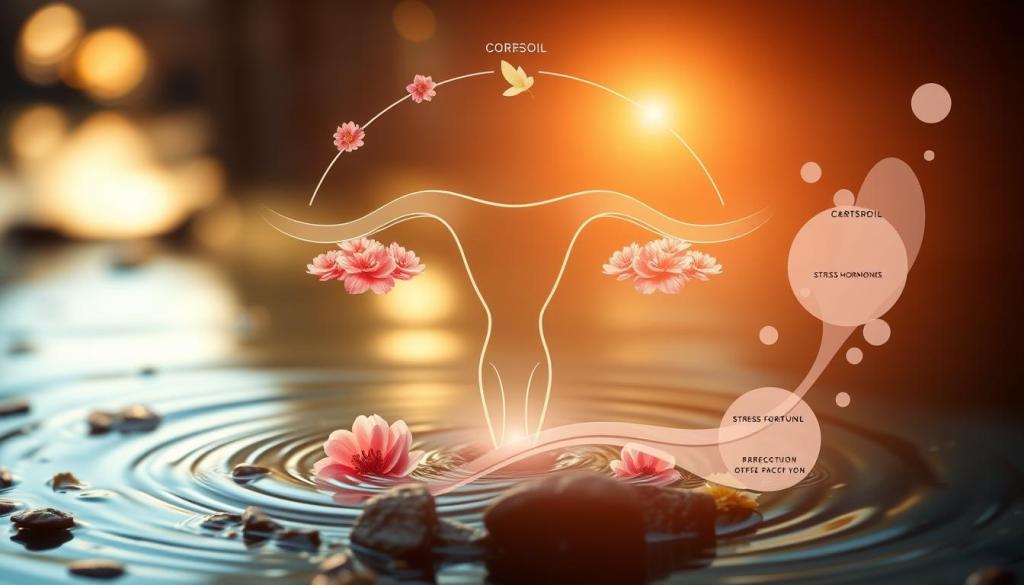
Stress sets off a chain of body reactions that can mess with how we reproduce. The link between stress hormones and menstruation shows how our feelings affect our bodies.
Physical vs. Psychological Stress Impact
Stress can affect the menstrual cycle in different ways:
- Physical stress from hard workouts or being sick
- Psychological stress from work, relationships, or personal issues
- Long-term emotional stress that keeps hormones out of balance
The Role of Cortisol in Menstrual Disruption
Cortisol, the main stress hormone, is key to menstrual health. High cortisol levels can lower reproductive hormone production, causing irregular cycles or missed periods.
“Stress doesn’t just happen in your mind – it reverberates through your entire hormonal system” – Dr. Sarah Gottfried
How Hormonal Balance Gets Affected
Long-term stress can lead to hormonal imbalances, causing menstrual problems. When stressed, the body focuses on survival over reproductive functions. This can change ovulation, menstrual flow, and cycle regularity.
Knowing how stress affects reproductive health helps women take steps to keep hormones balanced.
Common Signs Your Period is Affected by Stress

Stress can mess with your menstrual cycle in ways you might not see right away. Knowing the signs of stress on your period can help you manage your health and feelings better.
Stress can show up in your body and mind in different ways. You might notice small changes or big ones in your cycle.
- Irregular Cycle Length: Stress can make your period come early or late
- Changes in how much you bleed
- Worse PMS symptoms
- Periods that are shorter or longer than usual
- Spotting between periods
When you’re stressed, your body changes how it makes hormones. This can lead to symptoms that mess with your period.
“Stress doesn’t just impact your mind—it directly influences your reproductive system’s delicate hormonal balance.” – Dr. Elizabeth Roberts, Endocrinology Specialist
Keeping track of your symptoms can show you how stress affects your period. Try keeping a journal of your cycle, feelings, and stressors.
Spotting these signs early lets you start managing stress and get help if you need it.
Why and How Does Stress Affect Periods
Stress can really mess with your menstrual cycle. It’s all about the hormones and how they interact. This can upset your body’s balance.
Stress Hormones and Reproductive Function
When you’re stressed, your body makes cortisol and other stress hormones. These hormones can mess with your reproductive system. This can really disrupt your menstrual cycle.
- Cortisol suppresses reproductive hormone production
- Stress triggers inflammatory responses in the body
- Hormonal imbalances can delay or alter menstrual patterns
The HPA Axis Response
The HPA axis and menstrual cycle are closely linked. Stress activates the HPA axis. This can mess with the signals between your brain and reproductive system.
“Stress doesn’t just happen to you, it happens through you” – Dr. Esther Sternberg
Impact on Ovulation Timing
Chronic stress can mess with ovulation timing. High stress levels might make your body delay or skip ovulation. This can lead to irregular menstrual cycles.
| Stress Level | Potential Menstrual Impact |
|---|---|
| Low Stress | Regular Cycle |
| Moderate Stress | Slight Cycle Variations |
| High Chronic Stress | Significant Cycle Disruption |
Understanding these connections can help you better manage stress and support your reproductive health.
The Science Behind Menstrual Cycle Changes During Stressful Times
Stress-induced menstrual irregularities are not just random. They show a deep link between our brain and reproductive system. When we’re stressed, our body goes into survival mode. This can change our hormonal levels a lot.
The hypothalamus is key in this process. It acts as a control center in our brain. It responds to stress by releasing hormones that can mess up our menstrual cycles.
- Cortisol levels increase during stress
- Reproductive hormone production gets suppressed
- Ovulation timing becomes unpredictable
“Stress doesn’t just affect your mind – it can completely rewire your body’s hormonal communication,” says Dr. Elena Rodriguez, endocrinology specialist.
Chronic stress tells your body it’s not the best time for reproduction. This can make your menstrual cycle shorter, longer, or even stop for a while.
| Stress Level | Menstrual Cycle Impact |
|---|---|
| Low Stress | Regular 28-day cycle |
| Moderate Stress | Slight irregularities |
| High Chronic Stress | Significant cycle disruption |
Knowing these facts helps women see how our mental health affects our reproductive health.
Identifying Stress-Related Period Problems
Stress can mess up your menstrual cycle, leading to unexpected changes. Many women face these issues but don’t talk about them. It’s key to understand how stress affects your periods for better reproductive health.
Stress can upset your body’s hormonal balance, leading to menstrual issues. Women under a lot of stress often see big changes in their periods.
Late or Missing Periods
High stress can lead to hypothalamic amenorrhea. This means your body stops making reproductive hormones. It happens when stress and irregular periods link up, causing:
- Delayed menstruation
- Completely skipped periods
- Unpredictable cycle lengths
Changes in Flow and Duration
Stress hormones can change your menstrual flow a lot. Women might see:
- Lighter or heavier bleeding
- Shorter or prolonged periods
- Unexpected mid-cycle spotting
“Your body’s stress response can significantly impact menstrual patterns, making each cycle feel like an unpredictable journey.” – Dr. Sarah Martinez, Reproductive Health Specialist
Increased PMS Symptoms
The link between PMS and stress is clear in more intense symptoms. Stress can make typical premenstrual feelings worse:
| PMS Symptom | Stress Impact |
|---|---|
| Mood Swings | More extreme emotional volatility |
| Cramps | Increased intensity and duration |
| Fatigue | Deeper exhaustion and reduced resilience |
Spotting these stress-related period issues is the first step to better menstrual health.
Natural Ways to Manage Stress for Better Period Health
Managing menstrual health is more than just feeling calm. It’s about creating a balanced environment for your body. This lets it function at its best.
“Your body speaks volumes when you learn to listen and respond with compassion.” – Wellness Expert
Using the right stress reduction techniques can greatly improve your menstrual health. These methods help control cortisol levels and balance hormones.
- Meditation: Practice mindfulness for 10-15 minutes daily
- Yoga: Gentle stretching and breathing exercises
- Deep breathing techniques: Reduce anxiety and promote relaxation
- Progressive muscle relaxation: Release physical tension
Each technique has its own benefits for stress reduction and menstrual health. Consistency is key in managing stress naturally.
| Technique | Stress Reduction Impact | Menstrual Health Benefit |
|---|---|---|
| Meditation | Lowers cortisol levels | Regulates hormone production |
| Yoga | Reduces muscle tension | Improves blood circulation |
| Deep Breathing | Calms nervous system | Minimizes PMS symptoms |
By adding these natural stress management strategies to your routine, you support your menstrual health. Remember, small, consistent changes can make a big difference in how you feel during your cycle.
Lifestyle Changes That Can Help Regulate Your Cycle
Creating a balanced lifestyle is key for good menstrual health. Stress can mess with your reproductive system. It’s important to find ways to support your body’s natural rhythms.
Exercise and Movement
Regular exercise is important for menstrual health. Doing moderate exercise can help balance hormones and lower stress. This can help keep your periods regular.
- Aim for 30 minutes of moderate exercise 4-5 times per week
- Include a mix of cardio and strength training
- Practice yoga or gentle stretching to reduce stress
Sleep Hygiene
Good sleep is key for regular periods. Sleeping well helps balance hormones and supports reproductive health.
- Maintain a consistent sleep schedule
- Create a relaxing bedtime routine
- Aim for 7-9 hours of sleep nightly
Nutrition Tips
Your diet affects menstrual health. Eat foods rich in nutrients that help balance hormones and reduce inflammation.
| Food Category | Benefits |
|---|---|
| Omega-3 Rich Foods | Reduces inflammation, supports hormone regulation |
| Leafy Greens | Provides essential minerals and supports reproductive health |
| Whole Grains | Stabilizes blood sugar and supports hormonal balance |
“Your body is a complex system. Nurturing it with the right lifestyle choices can transform your menstrual health.” – Women’s Health Expert
Remember, small consistent changes can make a big difference in regulating your menstrual cycle and reducing stress-related disruptions.
When to Seek Professional Help for Period Issues
Knowing when to see a doctor for menstrual issues is vital for your health. Some changes are normal, but others need medical help.
Here are signs you should visit a doctor for period problems:
- Periods lasting longer than 7 days
- Extremely heavy bleeding needing constant pad/tampon changes
- Severe pain that makes it hard to do daily tasks
- Irregular cycles with big changes
- Long-lasting symptoms of hormonal imbalance
“Your menstrual health is a critical indicator of overall wellness. Never ignore persistent symptoms.”
Some situations make it very important to see a doctor:
| Symptom | Potential Concern |
|---|---|
| Missed periods for 3+ consecutive months | Potential hormonal dysfunction |
| Bleeding between periods | Possible reproductive health issue |
| Sudden changes in cycle length | Hormonal or structural abnormality |
A menstrual health professional can offer detailed checks, tests, and treatment plans. Early action stops long-term problems.
Your body talks to you through symptoms. Pay attention and get help when needed to keep your reproductive health in top shape.
Stress-Reducing Techniques Specific for Menstrual Health
Managing stress during your menstrual cycle needs special approaches. These methods focus on both physical and emotional health. They go beyond simple relaxation, aiming to directly help with menstrual health stress relief.
“Your menstrual health is a reflection of your overall wellness. Nurturing your body and mind can transform your period experience.”
There are special techniques to help you deal with menstrual challenges better. Here are some effective ways to reduce stress and support your reproductive health:
- Gentle Yoga Poses for Menstrual Relief
- Child’s Pose
- Reclining Twist
- Supported Forward Bend
- Mindfulness Practices
- Meditation focused on body awareness
- Breathing exercises
- Guided imagery
Targeted stress management can greatly improve your menstrual experience. It can reduce pain and emotional ups and downs.
| Technique | Benefit | Duration |
|---|---|---|
| Restorative Yoga | Reduces muscle tension | 15-30 minutes |
| Acupressure | Alleviates cramps | 10-15 minutes |
| Guided Meditation | Emotional regulation | 10-20 minutes |
By using these techniques, you can improve your relationship with your body during your cycle. Remember, being consistent is important in managing stress related to your period.
Long-term Effects of Chronic Stress on Reproductive Health
Chronic stress can harm reproductive health in many ways. It goes beyond just feeling stressed. It can affect fertility in serious ways.
Stress can change how our body works. It can mess with our hormones in big ways.
Fertility Implications
Stress and fertility are closely linked. Long-term stress can:
- Reduce ovarian function
- Decrease reproductive hormone production
- Potentially lower conception chances
Hormonal Imbalance Risks
Stress can mess with our hormones. Cortisol, our stress hormone, can upset our body’s balance.
| Stress Impact | Hormonal Consequence |
|---|---|
| Elevated Cortisol | Reduced Progesterone Production |
| Prolonged Stress | Irregular Menstrual Cycles |
| Chronic Anxiety | Decreased Reproductive Hormone Levels |
Mental Health Connections
Chronic stress affects our mind and body. It can make us feel stressed and affect our hormones.
Mental wellness isn’t separate from physical health—it’s an integral component of our reproductive system’s optimal functioning.
Knowing how stress affects us helps us take care of our health. We can manage stress to protect our reproductive health.
Building a Stress Management Plan for Better Periods
Creating a stress management plan is key to better menstrual health. It starts with knowing and tackling your stress triggers. This is the first step to improving your period wellness.
“Empowerment starts with awareness and intentional action in managing your stress and menstrual health.”
Here’s how to start your stress management plan:
- Identify Your Stress Triggers
- Track daily stressors in a journal
- Note emotional and physical responses
- Recognize patterns that impact your menstrual cycle
- Design Personalized Stress Reduction Techniques
- Select activities that resonate with your lifestyle
- Practice mindfulness and meditation
- Incorporate regular physical exercise
- Create a Consistent Self-Care Routine
- Prioritize sleep hygiene
- Establish balanced nutrition
- Schedule regular relaxation time
Your stress management plan should be flexible and adaptable. Regularly assess and adjust your strategies to ensure they continue supporting your menstrual health and overall well-being.
Improving menstrual health through stress reduction is a journey. It needs patience, commitment, and self-compassion.
Conclusion
It’s important for women to understand how stress affects their period health. Our summary shows that stress can mess with menstrual cycles and hormone balance. This can harm reproductive health.
Women can take steps to manage stress and improve their period health. Regular exercise, healthy eating, mindfulness, and good sleep are key. These habits can help reduce stress’s impact on menstrual cycles.
It’s vital to listen to your body and watch for early signs of trouble. If stress-related issues don’t go away, see a healthcare professional. A holistic approach can help restore hormonal balance and support reproductive health.
Knowledge and action are powerful. By learning how stress affects periods and using stress management techniques, women can build resilience. This improves overall health and keeps the reproductive system balanced.
FAQ
How does stress directly impact my menstrual cycle?
Stress can really mess with your menstrual cycle. It affects hormone levels, like cortisol and reproductive hormones. High stress can lead to irregular periods, changes in flow, and even missed periods.
Can stress cause me to skip a period entirely?
Yes, chronic or intense stress can cause missed periods. It suppresses hormone production, which can pause or make your cycle irregular.
What are the most common stress-related menstrual symptoms?
Stress can cause irregular cycles, more intense PMS, and changes in period length. It can also lead to severe cramps, hormonal acne, and changes in flow volume.
How long does it take for stress to affect my period?
Stress can affect your period quickly, sometimes in just a few weeks. It depends on how sensitive you are to stress and how intense it is.
Are certain types of stress more harmful to my menstrual health?
Both emotional and physical stress can harm menstrual health. But, chronic emotional stress has a bigger impact on hormones. Long-term stress can disrupt your reproductive system more.
Can stress affect my fertility?
Yes, chronic stress can affect fertility. It can disrupt ovulation, change hormone levels, and make it harder to conceive. Long-term stress can reduce reproductive function.
What natural techniques can help manage stress-related menstrual issues?
To manage stress, try meditation, regular exercise, yoga, and deep breathing. Also, get enough sleep, eat well, limit caffeine and alcohol, and practice mindfulness.
When should I see a healthcare professional about stress-related period changes?
See a healthcare professional if you have missed periods for three cycles, heavy or long bleeding, severe pain, or if menstrual changes affect your daily life.
How does cortisol impact my menstrual cycle?
Cortisol, the stress hormone, can mess with reproductive hormones like estrogen and progesterone. High cortisol levels can suppress reproductive function, disrupt ovulation, and cause irregular cycles.
Can lifestyle changes really help regulate my menstrual cycle?
Yes! Making lifestyle changes like regular exercise, balanced nutrition, stress reduction, enough sleep, and a healthy weight can help regulate your cycle and improve reproductive health.
 STELLINA
Leave a comment